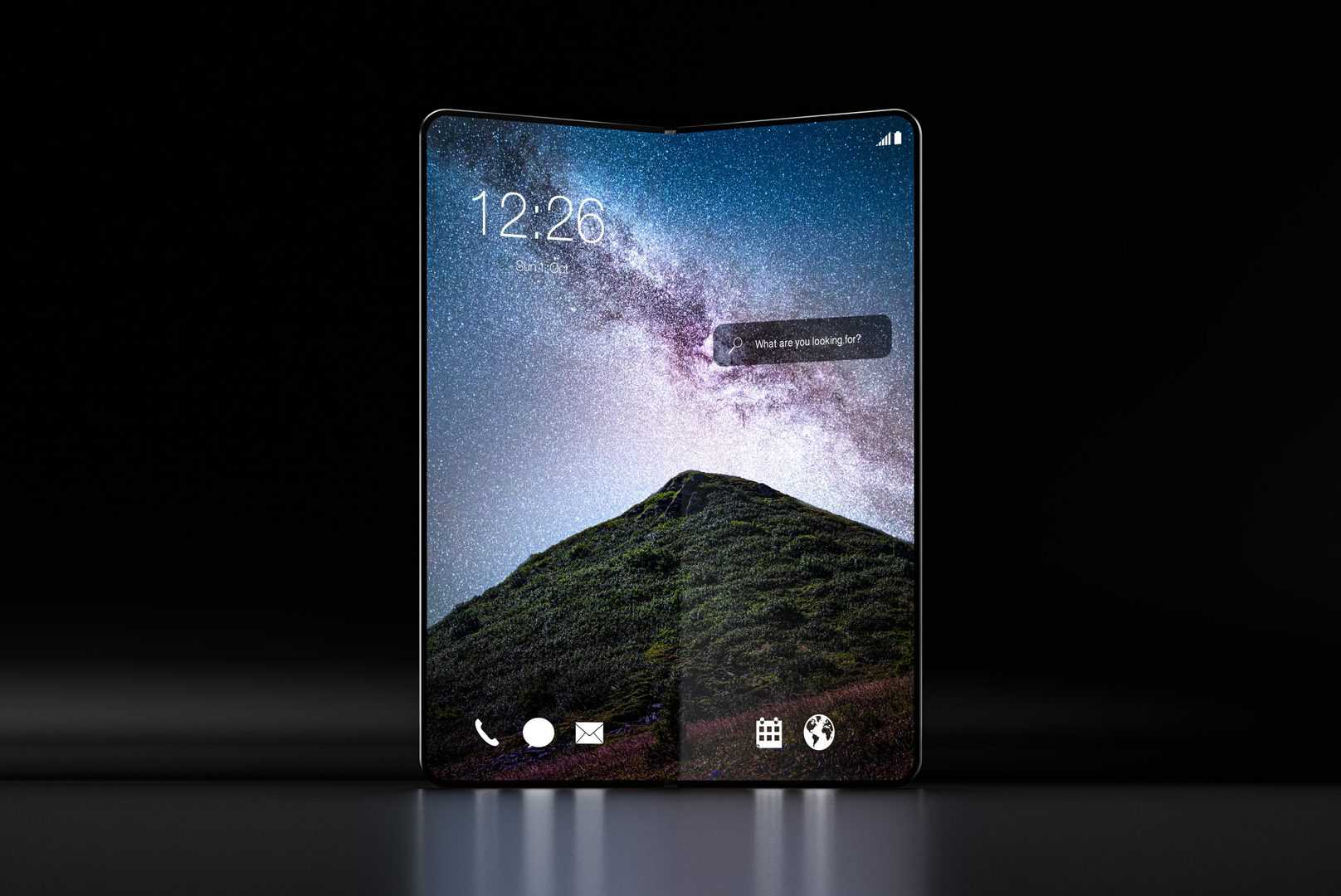
 In April of this year, Samsung’s long-awaited leap into the future of folding phones came crashing down hard. As the tech giant unveiled its awe-inspiring Galaxy Fold and sent it to select reviewers, the phone didn’t quite hold up to the hype.
Within days, many of the individuals set to review the product were experiencing problems. Although Samsung promised up to 200,000 folds before the phone would start to break down, reviewers were dealing with broken screens and units quite quickly after unboxing their units.
Based on this unexpected initial blunder, Samsung decided to delay its 2,000 dollar folding phone. Originally slated to be released on April 26th, Samsung issued the following statement:
“We recently unveiled a completely new mobile category: a smartphone using multiple new technologies and materials to create a display that is flexible enough to fold.
While many reviewers shared with us the vast potential they see, some also showed us how the device needs further improvements that could ensure the best possible user experience.
To fully evaluate this feedback and run further internal tests, we have decided to delay the release of the Galaxy Fold. We plan to announce the release date in the coming weeks.”
In July, the Galaxy fold finally got a new release date of September, but with one catch. The device would only be available in “select” regions. Well, here we are now at the end of 2019, and the Galaxy Fold is available to consumers, along with a few other foldable phone options, but the phone hasn’t quite caught on to mainstream use yet.
We think we’ll see folding phones gain momentum in 2020, though, so get ready!
In April of this year, Samsung’s long-awaited leap into the future of folding phones came crashing down hard. As the tech giant unveiled its awe-inspiring Galaxy Fold and sent it to select reviewers, the phone didn’t quite hold up to the hype.
Within days, many of the individuals set to review the product were experiencing problems. Although Samsung promised up to 200,000 folds before the phone would start to break down, reviewers were dealing with broken screens and units quite quickly after unboxing their units.
Based on this unexpected initial blunder, Samsung decided to delay its 2,000 dollar folding phone. Originally slated to be released on April 26th, Samsung issued the following statement:
“We recently unveiled a completely new mobile category: a smartphone using multiple new technologies and materials to create a display that is flexible enough to fold.
While many reviewers shared with us the vast potential they see, some also showed us how the device needs further improvements that could ensure the best possible user experience.
To fully evaluate this feedback and run further internal tests, we have decided to delay the release of the Galaxy Fold. We plan to announce the release date in the coming weeks.”
In July, the Galaxy fold finally got a new release date of September, but with one catch. The device would only be available in “select” regions. Well, here we are now at the end of 2019, and the Galaxy Fold is available to consumers, along with a few other foldable phone options, but the phone hasn’t quite caught on to mainstream use yet.
We think we’ll see folding phones gain momentum in 2020, though, so get ready!
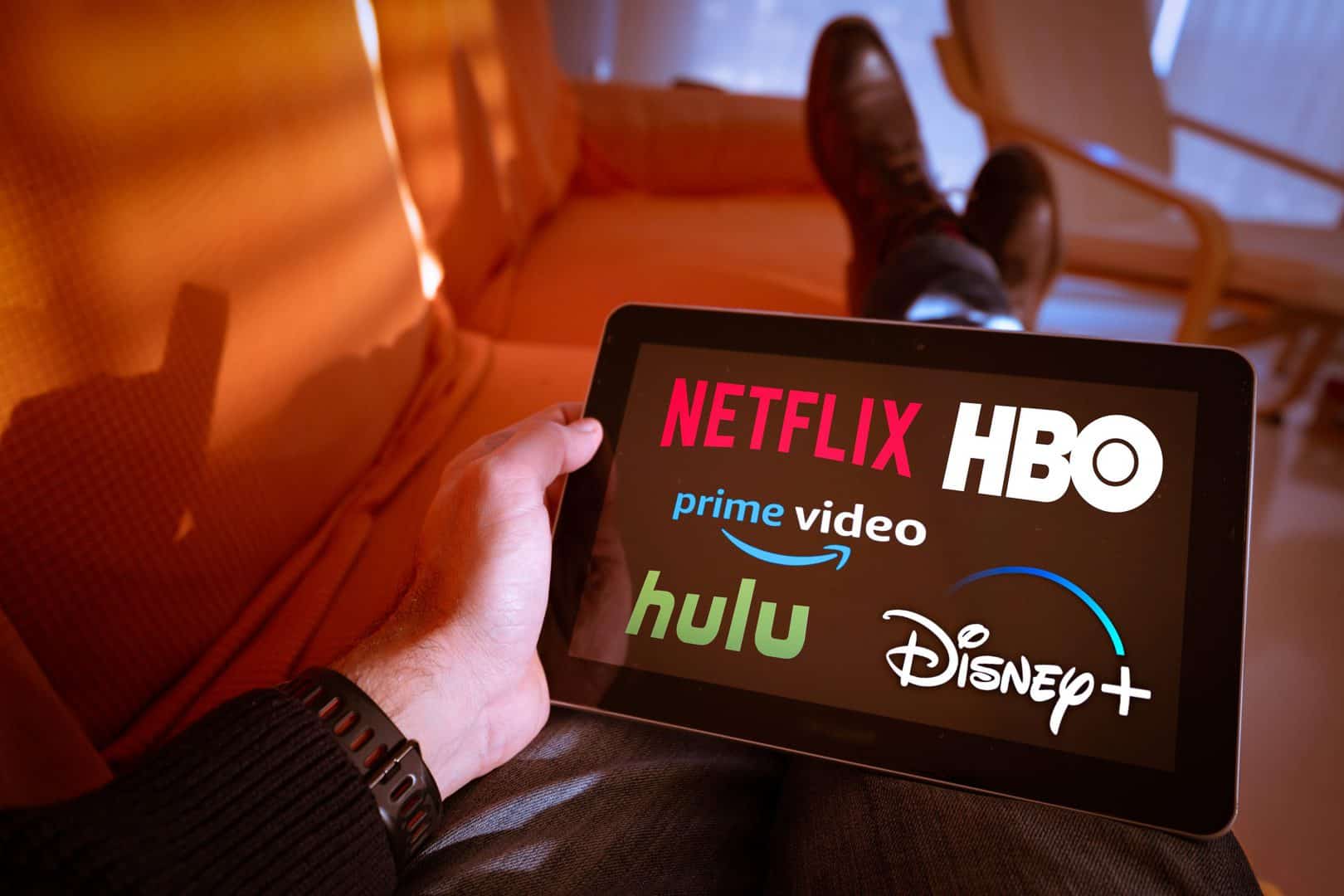 We’ve been watching Netflix, Hulu, HBO Go, and Amazon Prime Video for a while now. But when Disney+ launched in November, it signaled the beginning of a whole new slew of competition in the streaming space. Welcome to the streaming wars!
Netflix has dominated the streaming space, but competition is heating up, with Apple TV Plus and Disney+ already launched, and more coming in the early months of next year. And as Disney+ topped the list of Google searches in 2019, it’s clear that consumers are interested in other programming.
In fact, just a day after the new streaming service launched on November 12th, it touted over 10 million subscribers. With the service only expected to reach around 8 million users seven weeks after the launch date, that’s pretty incredible.
As even more rivals make their debut, it will be interesting to see how the streaming landscape changes. Netflix is betting big on original content to help keep its lead, with deals already in place with powerhouse media veterans. We’ll just have to keep tuning in to see who’s winning and losing (pun intended).
We’ve been watching Netflix, Hulu, HBO Go, and Amazon Prime Video for a while now. But when Disney+ launched in November, it signaled the beginning of a whole new slew of competition in the streaming space. Welcome to the streaming wars!
Netflix has dominated the streaming space, but competition is heating up, with Apple TV Plus and Disney+ already launched, and more coming in the early months of next year. And as Disney+ topped the list of Google searches in 2019, it’s clear that consumers are interested in other programming.
In fact, just a day after the new streaming service launched on November 12th, it touted over 10 million subscribers. With the service only expected to reach around 8 million users seven weeks after the launch date, that’s pretty incredible.
As even more rivals make their debut, it will be interesting to see how the streaming landscape changes. Netflix is betting big on original content to help keep its lead, with deals already in place with powerhouse media veterans. We’ll just have to keep tuning in to see who’s winning and losing (pun intended).
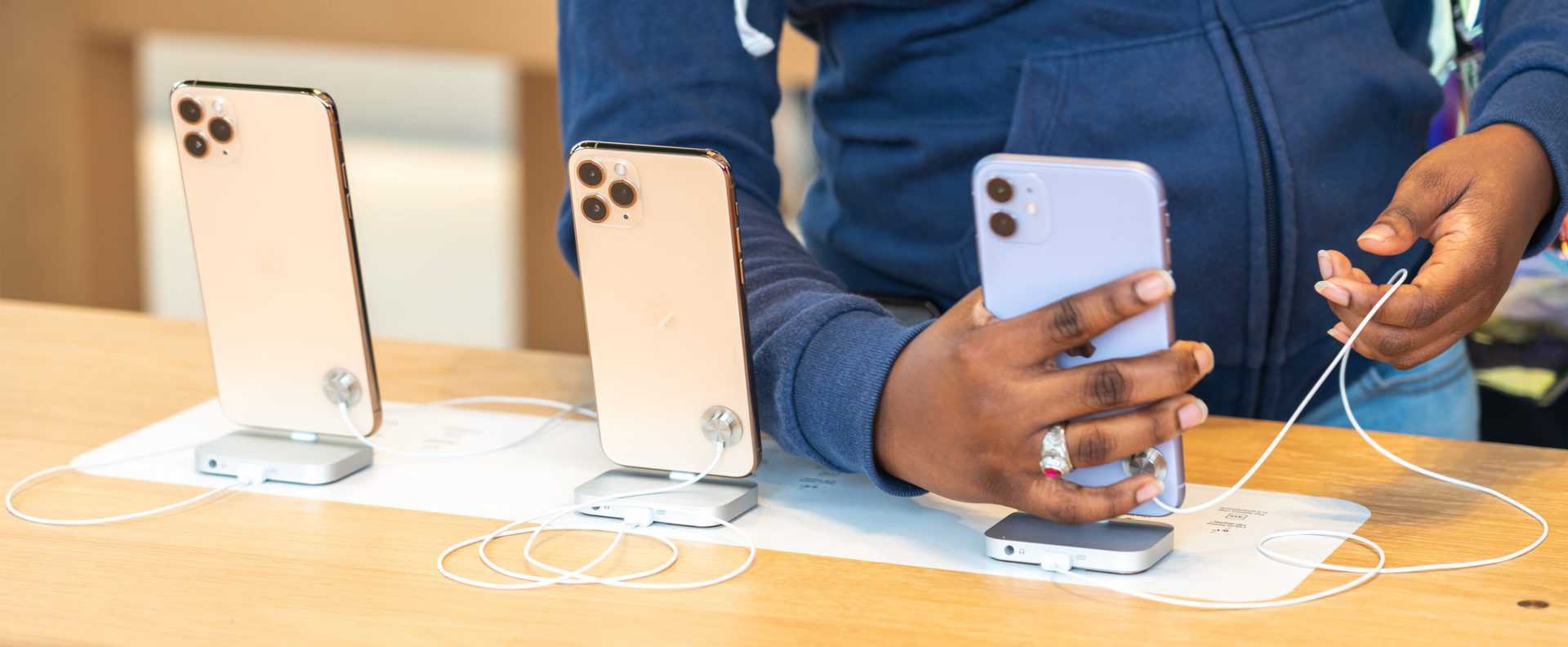 And rounding out our list of the most googled tech stories of 2019 is the release of the iPhone 11. This new iPhone came with new colors, a dual-lens camera, improved durability, and a faster A13 chip. With these improvements, many were excited to get their hands on the new phone, especially considering the lower price tag than other iPhone options.
For example, the iPhone 11 pricing started at $699, whereas the iPhone 11 Pro and iPhone 11 Pro Max started at $999 and $1099, respectively. One can only assume that this significant price difference is a reason for the increased interest in the iPhone 11.
And this bodes well for Apple, as they have experienced less and less iPhone sales every year. Although we don’t know the exact number of iPhone 11 sales as Apple doesn’t release those anymore, it does look like the new phone’s sales have been doing well.
There are rumors that Apple is going to release an iPhone SE 2 in the Spring, hoping to boost its sales even more. Only time will tell if we get to see another new iPhone in early 2020 or if we’re going to have to wait until September for an expected annual launch of the iPhone 12.
And rounding out our list of the most googled tech stories of 2019 is the release of the iPhone 11. This new iPhone came with new colors, a dual-lens camera, improved durability, and a faster A13 chip. With these improvements, many were excited to get their hands on the new phone, especially considering the lower price tag than other iPhone options.
For example, the iPhone 11 pricing started at $699, whereas the iPhone 11 Pro and iPhone 11 Pro Max started at $999 and $1099, respectively. One can only assume that this significant price difference is a reason for the increased interest in the iPhone 11.
And this bodes well for Apple, as they have experienced less and less iPhone sales every year. Although we don’t know the exact number of iPhone 11 sales as Apple doesn’t release those anymore, it does look like the new phone’s sales have been doing well.
There are rumors that Apple is going to release an iPhone SE 2 in the Spring, hoping to boost its sales even more. Only time will tell if we get to see another new iPhone in early 2020 or if we’re going to have to wait until September for an expected annual launch of the iPhone 12.
